100s chart puzzles are a great way to help kids develop number sense, critical thinking skills, and problem-solving abilities. By engaging in puzzles that involve filling in missing numbers on a 100s chart, children can strengthen their understanding of number patterns and relationships. This hands-on activity can also improve their ability to recognize and sequence numbers, which are essential skills for math proficiency.
Additionally, 100s chart puzzles can be a fun and interactive way to reinforce basic math concepts such as counting, skip counting, and multiplication. These printable puzzles are versatile and can be used for individual practice, group activities, or as a supplement to classroom instruction. They are suitable for children of all ages and can be tailored to meet different learning objectives.
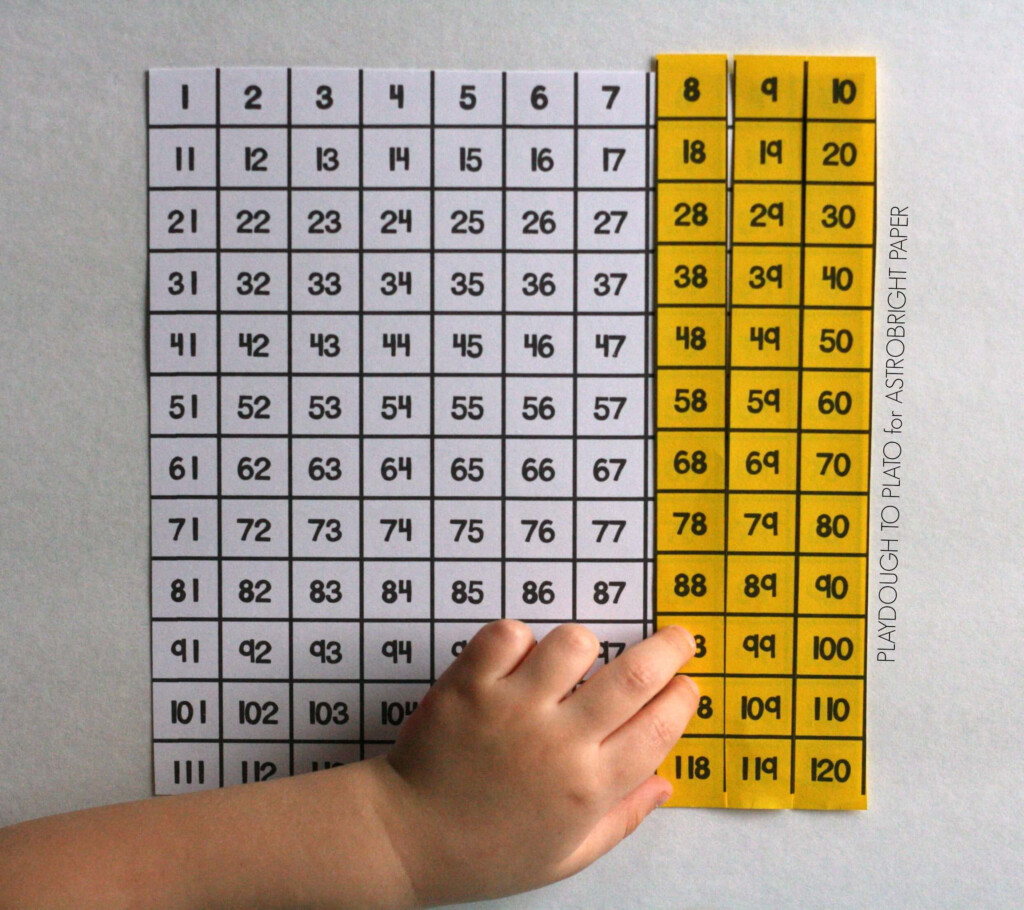
100s Chart Puzzles Printable
How to Use Printable 100s Chart Puzzles
Printable 100s chart puzzles typically consist of a partially filled 100s chart with missing numbers that need to be filled in. To use these puzzles, simply print out the worksheets and provide children with writing utensils such as pencils or markers. Encourage them to carefully examine the chart and fill in the missing numbers to complete the sequence.
For younger children or beginners, you can start with simpler puzzles that involve filling in consecutive numbers. As they gain confidence and proficiency, you can introduce more challenging puzzles that require them to identify number patterns or skip count by different intervals. You can also create your own custom puzzles by leaving specific numbers blank and asking children to figure out the missing values.
Conclusion
Overall, printable 100s chart puzzles are a valuable resource for parents, teachers, and caregivers looking to support children’s math skills in a fun and engaging way. These puzzles offer a hands-on approach to learning math concepts and can help children build a strong foundation for future academic success. By incorporating 100s chart puzzles into your child’s learning routine, you can make math more enjoyable and accessible while promoting critical thinking and problem-solving skills.