Clouds play a crucial role in our atmosphere, affecting weather patterns and climate. Being able to identify different types of clouds can help us predict weather conditions and understand atmospheric processes. A cloud identification chart is a handy tool that can assist in recognizing and naming various cloud formations.
Clouds are classified into different types based on their appearance and altitude in the sky. Common cloud types include cumulus, stratus, cirrus, and nimbus. Each type has distinctive characteristics that can help in identifying them on a cloud identification chart. By using a printable cloud identification chart, you can learn to differentiate between these cloud types and understand their significance in weather forecasting.
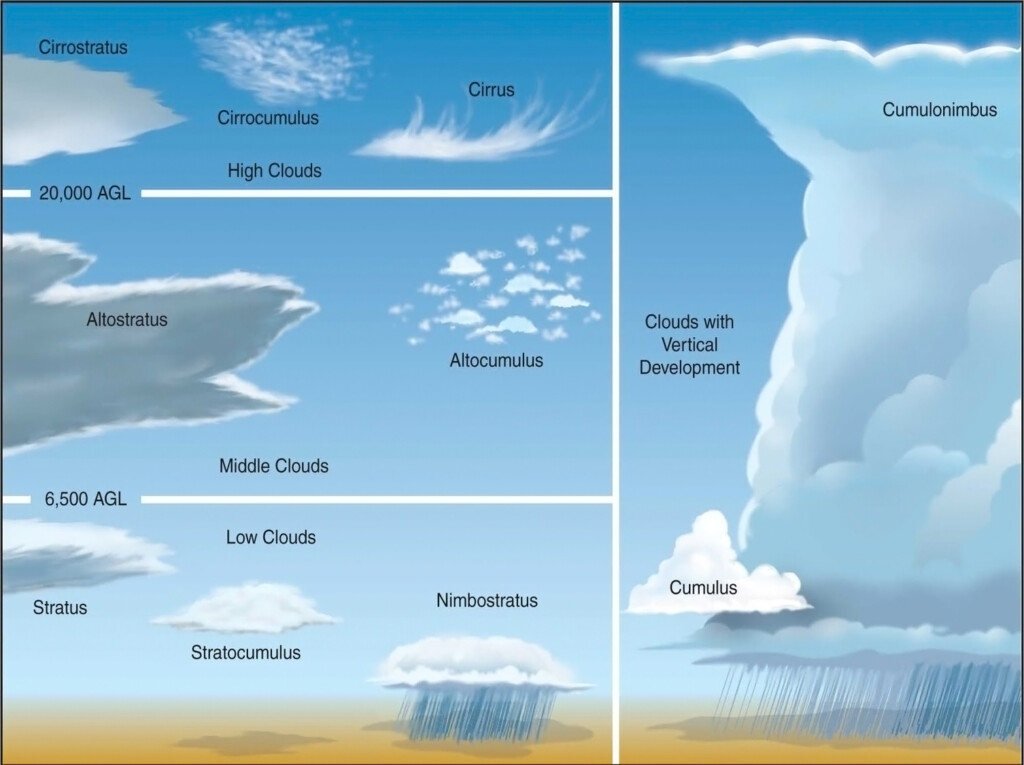
Cloud Identification Chart Printable
How to Use a Cloud Identification Chart
When using a cloud identification chart, start by observing the sky and noting the cloud formations present. Match the clouds in the sky with the images and descriptions on the chart to identify the type of clouds you are seeing. Pay attention to the shape, texture, and altitude of the clouds to make an accurate identification. With practice, you can become proficient in recognizing different cloud types and interpreting their implications for weather conditions.