Close reading is a crucial skill for students to develop in order to fully understand and analyze complex texts. One effective tool for teaching close reading strategies is the use of anchor charts. These visual aids provide students with a reference point for key concepts and strategies that can help guide their reading comprehension.
Close reading anchor charts can be especially helpful for visual learners, as they break down the process of close reading into manageable steps and provide clear examples of how to apply these strategies to a text. By using anchor charts, teachers can support students in developing the skills they need to engage critically with texts and deepen their understanding of the material.
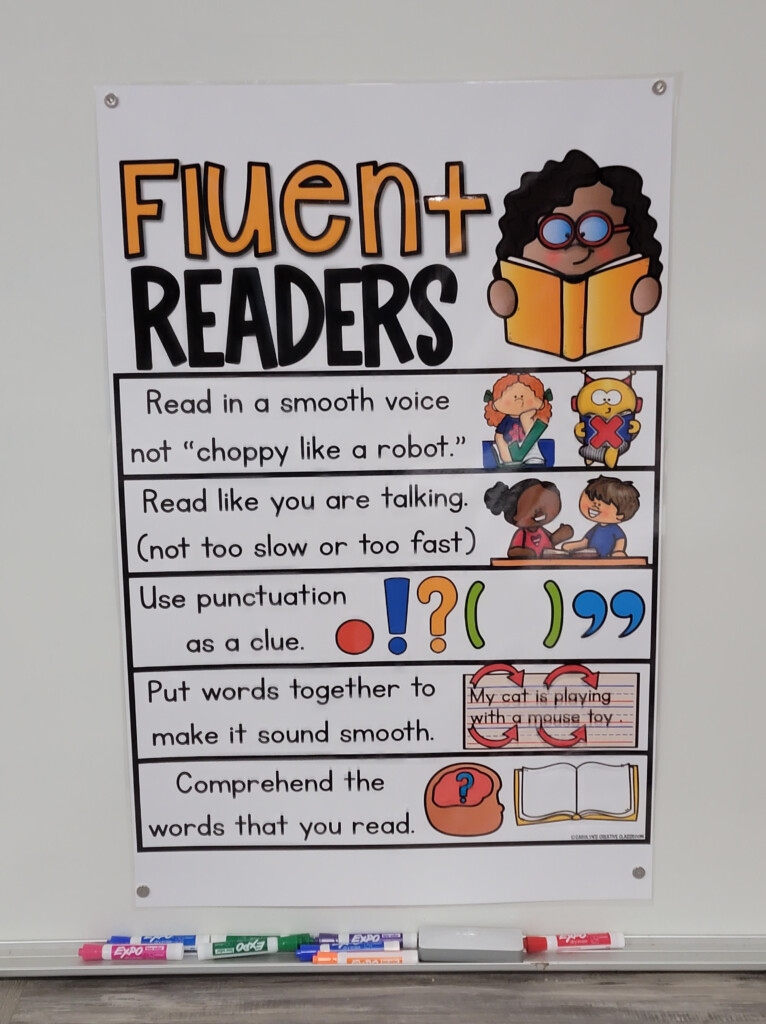
Close Reading Anchor Chart Printable
Creating Your Own Close Reading Anchor Chart
One advantage of using printable anchor charts is that they can be customized to suit the specific needs of your students and the texts they are studying. To create your own close reading anchor chart, start by identifying the key elements of close reading, such as annotating the text, identifying main ideas, and analyzing author’s purpose.
Next, design a visually appealing chart that clearly outlines each step of the close reading process. Include examples and prompts to help students apply these strategies to their own reading. Once you have created your anchor chart, you can print it out and display it in your classroom as a reference tool for students to use during independent reading activities.
Where to Find Close Reading Anchor Chart Printables
If you’re looking for ready-made close reading anchor chart printables, there are many resources available online. Websites like Teachers Pay Teachers and Pinterest offer a variety of free and paid anchor chart templates that you can download and print for classroom use.
When selecting a close reading anchor chart printable, look for one that aligns with the specific skills and strategies you want to focus on with your students. Choose a design that is visually appealing and easy to read, with clear examples and explanations of each step in the close reading process. By using anchor charts in your classroom, you can help students develop the critical thinking skills they need to become proficient readers and analytical thinkers.