Tracking behavior is essential for understanding patterns and progress. A behavior tracking chart printable can be a valuable tool for parents, teachers, and therapists to monitor behavior and track improvements over time. These charts provide a visual representation of behavior, making it easier to identify trends and make informed decisions about interventions.
One of the main benefits of using a behavior tracking chart printable is that it allows for easy and convenient monitoring of behavior. By documenting behavior on a daily basis, you can track changes over time and identify patterns that may be influencing behavior. This information can then be used to develop targeted interventions and strategies to address problematic behaviors.
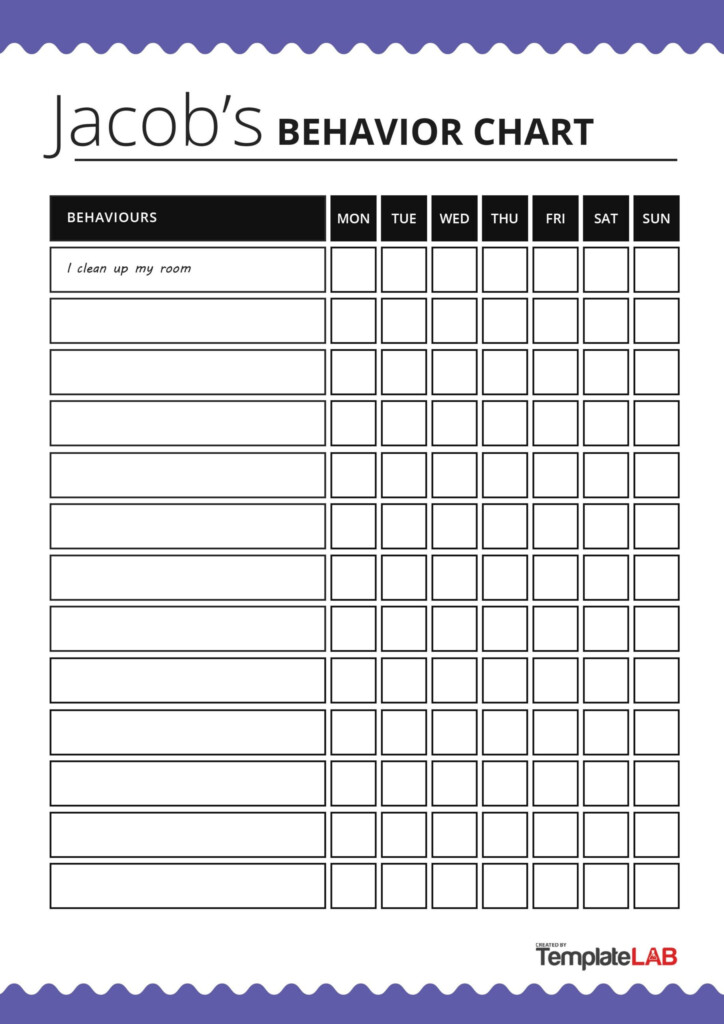
Behavior Tracking Chart Printable
Additionally, behavior tracking charts can help individuals set goals and track progress towards those goals. By visually representing behavior data, individuals can see their progress and celebrate achievements along the way. This can be motivating and empowering, leading to increased self-awareness and self-regulation.
How to Use a Behavior Tracking Chart Printable
When using a behavior tracking chart printable, it’s important to be consistent and thorough in documenting behavior. Start by identifying the specific behaviors you want to track, such as tantrums, aggression, or focus. Then, create a simple chart with columns for each day of the week and rows for recording the frequency or intensity of each behavior.
Each day, take a few minutes to fill out the chart based on observations of the individual’s behavior. Be honest and objective in your assessments, and try to record data consistently to get an accurate picture of behavior patterns. Over time, you can analyze the data to identify trends and make informed decisions about next steps.
In conclusion, a behavior tracking chart printable is a valuable tool for monitoring behavior and tracking progress. By using these charts, individuals can gain insights into their behavior, set goals, and make positive changes over time. Whether you’re a parent, teacher, or therapist, incorporating behavior tracking charts into your routine can lead to improved outcomes and a better understanding of behavior.